Act Now! GK-12 Energy Efficiency Incentives Expected to Fill By June 2026

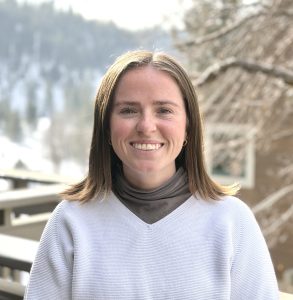
Picture of Callie Kendall

Callie Kendall

Climate & Energy Technician

Public agencies and K–12 school districts in SNEW service areas can take advantage of  the Government & K–12 School Energy Efficiency Program, a limited time opportunity to complete facility energy upgrades at low or no cost. The program offers incentives, financing, and technical services to help local governments and schools improve their facilities at low or no cost. The program team expects its incentives to be fully subscribed by the beginning of summer. 

This program offers enhanced incentives, on-bill financing options, and technical assistance to help local governments and schools reduce energy use, lower utility bills, and modernize aging infrastructure. The GK-12 team works directly with participating agencies to identify eligible projects, secure approvals, and manage the process from start to finish. Due to high demand, program incentives are expected to be fully subscribed during the second quarter of 2026, making early engagement essential!

Eligible upgrades may include:

  • Heat Pump Water Heaters (HPWHs) for campuses with gyms or pools
  • Tankless Water Heaters, when bundled with HPWH projects and approved 
  • Lighting Retrofits, including replacements for outdated incandescent and fluorescent light fixtures (indoor and outdoor lighting eligible)  
  • Pipe insulation to improve system efficiency

Key Programs include: 

  • Turnkey, Direct Install: Eligible public facilities can replace existing gas water heaters (30 gallons or larger) with high-efficiency, commercial-grade systems at no cost. Projects are carefully planned to prioritize reliability and continuity of essential services. 
  • On-Bill Financing Non-Incentive (OBF-NI): Through OBF-NI, customers can replace their existing indoor/outdoor fluorescent lighting with LEDs. The loan is available for up to $6 million, 0% financing with a 10 year payback. There are no upfront costs for this pathway, and the GK-12 team will introduce the participant to their OBF subcontractor, who will support them throughout the process.

Project viability varies by hot water demand. Elementary school districts (Pre-K–8) have the fewest eligible opportunities, with projects typically limited to sites that include gyms or pools. Unified school districts (Pre-K–12) offer moderate viability with a broader range of potential upgrades across facilities. High school districts present the strongest opportunities, as larger campuses and higher hot water demand, often from gyms and pools, create the greatest potential for impactful energy efficiency and electrification projects. City and county governments operating public pools or with a high hot water demand are also eligible for upgrades.

With promotional incentives available for a short time and full program subscription anticipated within the next few months, now is the time to act. If you are interested in heat pump water heaters, tankless water heaters, or lighting retrofits, and you are a school district or public agency, contact the Sierra Nevada Energy Watch (SNEW) team at SNEW@sierrabusiness.org to learn more about eligibility and next steps.

Read More Recent Blogs

October 2026 Update: Government Affairs

With the conclusion of the 2025-26 legislative session in September, SBC’s focus has shifted from advocating for Sierra Nevada bill and budget priorities to preparing for the 2027 session. As part of this work, SBC has been convening with partners to reflect on lessons learned from the legislative year and discuss regional priorities for the upcoming session at events across the state, including:
The Outdoors for All Field Convening in Plumas County to learn more about Outdoors for All in the region, weigh in on state initiatives, and connect with regional partners.
The Nature-Based Solutions Forests and Mountain Meadows Summit in Tahoe City, hosted by California Natural Resources Agency, Sierra Nevada Conservancy, California Tahoe Conservancy, and The Nature Conservancy. SBC Director of Government and Community Affairs Emily Blackmer moderated a panel discussion on Innovative Finance for Nature-Based Solutions.
The Sierra to California All Lands Enhancement (SCALE) conference, hosted by Sierra Institute, where Emily spoke on the panel State Leadership in Action: California Natural Resource Policy and Collaborative Landscape Stewardship.
The California Wildfire & Forest Resilience Task Force North Coast Regional Meeting to hear quarterly updates on the Task Force’s work and connect with partners.
The Nevada County Sustainability Summit: Rural Prosperity in a Changing Climate to learn about climate action in the area.
The California Economic Summit, where SBC president Steve Frisch spoke at two sessions: The Bioeconomy: A Possible Win-Win-Win for California and Wildfire Resilience: A Strategic Action Plan for the Next Administration.
SBC has also been closely monitoring the November midterm elections and what decisions on the ballot will mean for the Sierra Nevada. Read more here to learn our perspective on several ballot measures with implications for housing, local government capacity, environmental review, climate resilience, and the ability of Sierra communities to shape their own future.